Are you looking to lease a property in the Chicago area fast? Yes? Then you’ve come to the right place! Below you will find our simple guide on how to quickly lease your property in Chicago. We’ll share with you the 4 keys to leasing your property the right way.
Many of you may be veteran investors who know the drill already. Alternatively, you might be a first time landlord and not know what to expect. Whether you are the ultimate investor or the new kid on the block, these 4 keys will help you get your property on the market and back off of it just as fast. It may seem easy to rent a property, but there can be a lot of factors you wouldn’t think of that can make the whole process a lot trickier. You want to make sure that you have all the information to get the most out of your property.
#1. Pricing is Key – Don’t Price To High!
The most important thing to take into account is price. It can be tricky to know how much to charge for rent. Clearly, you don’t want to set rent too low, but if you price your home too high then no one is going to rent from you, leaving you with nothing but a vacant unit with a large price tag.
So how do you know what to ask for? There is no set agreed upon price for any given property. What you want to do is research what properties like yours generally go for and base you’re your price off of that.
You can also start at a slightly higher bracket and if need be drop the price. It does not have to be a fixed sum. Often times, if you start a little high and then lower the price, people will think they are getting a deal and be more likely to take it.
We also suggest you ask for multiples of a hundred. If someone decides that $2,000 is their budget, they won’t go for a place priced at $2,050. That extra $50 isn’t worth losing potential renters. We see properties rent a lot quicker when priced at multiples of a hundred. Make sure you follow this property leasing tip as this will ensure you are set up for success.
#2. Timing is Key – Know When To List!
You also need to get your timing right. When leasing your property, make sure you have a good grasp on what the seasons are like. Iin Chicago, for example,. you probably don’t want to be renting during the winter months. November through as late as April can see some serious snowfall. That’s just the type of thing that can cost you potential renters and potential cash. Show your property at its best, not its coldest.
Make sure you get the timing right so you can maximize your chances of leasing your property. It might be the case that in the nice summer months you are away or have other stuff to deal with. This is where a property management company like Lofty can really help to save you time and get your property leased. Don’t hesitate to contact us as we are always here to help.
#3. Presentation is Key – Know How To Show!
In addition to renting at the right time, you want to be renting in the right way. Make sure that you do a good job presenting your property so people will want it.
Get photos, and make sure they are good ones. If you are going to be asking renters to pay you to live there; you need them to see that it will be worth their money. The right kind of photos can really make or break a listing. If you your property looks great then people are much more likely to see it—they can’t rent it if they can’t see it. If you do not have quality pictures available then it really increases the chances that people will pass you by.
At worst, a lack of pictures indicates that there is some major flaw you are trying to hide. Make sure you use the right kinds of photos. Poor quality pictures are a sign that you don’t really care about renting/leasing your property. In addition, even if you do, a few small snapshots with your phone won’t do it justice. In some cases, they can make it look worse than it actually is. So use good quality cameras if you can.
Also, keep in mind what features of your property you want to emphasize. For instance if you are leasing a city apartment, you probably want to use mostly interior shots to display how nice the various rooms are. Often times an apartment doesn’t look that great from the outside, so don’t draw people’s attention to it if you don’t have to. With a house or Condo though, you might want to play up the yard so people can see the great opportunities for a garden or play area for the kids.
#4. Advertising is Key – List, List, List!
You may have pricing right, timing perfect, and you’ve polished up your showing skills like a pro! However, none of the work of pricing and proper presentation will do you any good if no one knows your property is on the market! Effectively advertising your property is the 4th key to renting out your space.
You are going to want to make sure you have ads everywhere. Put up signs all around the area. If you can, put ads in the paper. Go online to sites like Craigslist and post there. You want as many potential renters as possible so you need to make sure that all the people who might be interested know what’s going on.
Also, you can never assume people have a lot of time to shop around. Just because someone might be in the market to lease your property does not mean they will go through all of the trouble of hunting it down if you aren’t easy to find. They won’t want to spend their valuable time searching, so make sure they don’t have to.
If you’re able to tie all of these key tips together, you’re sure to get your property rented faster than ever before! We hope you have enjoyed our four keys to renting or leasing property the right way. If you have any questions or need any help be sure to email or call us. We are always happy to help property owners get their properties rented fast!


 The most important piece to a solid professional relationship is a lease with all necessary documentation, so everyone is on the same page when it comes to expectations. Take care to make sure that your lease spells out everything expected from both parties. It is also important to accurately record all transactions including financials, complaints, and maintenance. By keeping all the information above-board, when a question arises, you can easily pull down the information and share it.
 The effort to build a relationship based on trust largely lies in being available and responsive when they call or email, and being proactive with routine maintenance. If your property is a multi-unit building, routine maintenance may include cleaning common hallways once a quarter and replacing any burned-out light bulbs.
 Maybe this goes without saying, but reliable and professional tradespeople will be invaluable to you as a property owner. From handywork to down-and-dirty repairs and installations, having a solid list of contacts on hand is huge. In the event you are out of town, share the list with your tenants in case of emergency.
 Choosing a rental price for your home or condo can be a tricky task. You don’t want to set the price low and miss out, but you don’t want to ask too much. No one wants to be that house that has been listed for six months. Like a teenager without a date to the prom, this is something to be avoided at all costs. Staying realistic is the key, along with a little legwork and market research. As a landlord your goal is to minimize vacancy to boost profitability and reduce risks associated with an unoccupied place.
 The desirability of your property will play a huge role in how much rent you can charge. If your property has very little amenities or upgrades or is in need of a lot of work, renters will not be willing to pay top dollar. The more attractive your property is, the more you will likely be able to charge. The following are some of the most sought-after features in Chicago, which should be taken into consideration:


 In addition to properly using your disposal, it is also important to take the necessary steps in maintenance. Every once in a while, throw some ice cubes into the disposal. The ice will clear any gunk off the blades while sharpening them. It may sound a little rough as the ice cubes are being ground, but it is completely safe for your disposal.
 Kitchen Safety
 When using appliances follow the manufacturer’s safety precautions. Overheating, unusual smells, and sparks are all warning signs for appliances. Immediately shut off and unplug appliances that sputter, spark or emit an unusual smell and have them professionally repaired or replaced.
 Here at Lofty, we know there are two ways to learn: from the experience of others or from our own mistakes. Since we don’t really like to make mistakes, let’s focus on how best to apply the lessons learned!
 If you are on the fence regarding an applicant with a pet, it never hurts to ask to meet the animal. An in-person meeting may not always be possible, but with the various methods of communication afforded by technology, there may be a way to set your mind at ease. Pet rent, pet fees and pet deposits will also help you out in safeguarding against damage caused by negligent pet-owners.
 Successfully leasing a rental property is not always an easy or efficient process. However, you can save a great deal of time and money down the road by doing it right.
 With sites like Pinterest and Houzz, there is no shortage of “expert” advice and influence to be found on the internet. Maybe you have a Facebook friend that has their finger on the pulse of the trends and can help you make some informed decisions. There is a balance between making some popular interior design adjustments to enhance your condo/apartment’s aesthetics and spending countless dollars on a full makeover. Knowing your market can really help to find that balance. With the right touches you can easily enhance your condo and make it much more marketable.

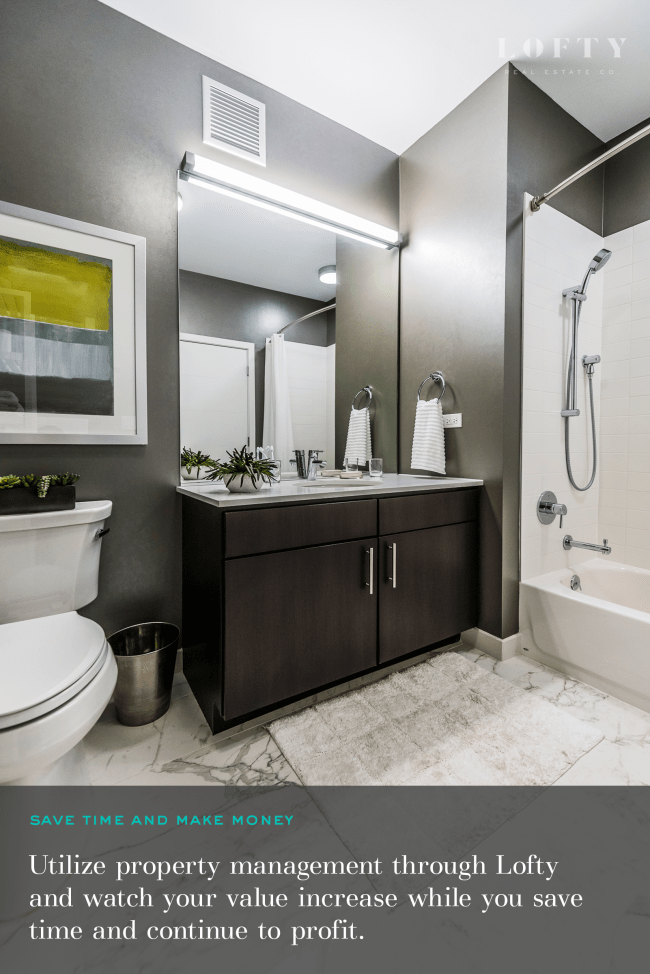
 Here at Lofty, we take pride in developing a reputation of excellence. This means your tenants are treated with the utmost respect and care to ensure our service does not reflect poorly on you, the owner. Our automated systems track every request, phone conversation and email so we can succinctly and accurately inform you of the happenings.


 Etiquette Right before the Viewing Begins
 Closing the Viewing on the Right Note
 WOW Tip #3: It’s Super Clean (…does Mr. Clean, like, LIVE here?)