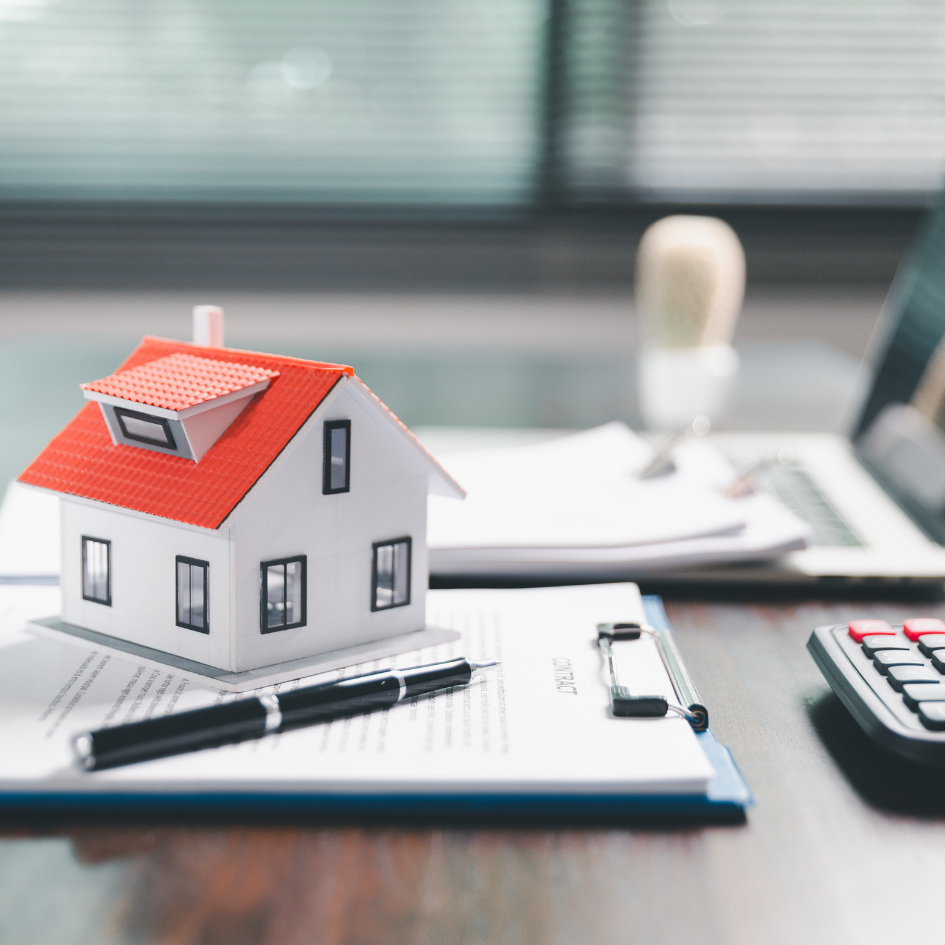
The tenant landscape has changed significantly over the past decade.
While location, affordability, and property condition still matter, today's residents often expect much more than simply having a place to live. Technology, changing consumer habits, and increased competition among housing options have transformed what tenants expect from property owners and management companies.
For property owners, understanding these shifts is no longer optional. The ability to meet modern tenant expectations can directly impact occupancy, retention, online reputation, and ultimately profitability.
Tenants Expect Convenience
Think about how consumers interact with businesses today.
People can order groceries from their phones, schedule appointments online, track deliveries in real time, and receive instant updates on almost everything.
Housing is no exception.
Many tenants now expect:
- Online rent payments
- Digital lease signing
- Online maintenance requests
- Electronic communication
- Quick access to account information
Owners who still rely heavily on outdated processes often find themselves at a disadvantage compared to properties offering a more streamlined experience.
Convenience is no longer considered a bonus. For many tenants, it’s an expectation.
Communication Matters More Than Ever
One of the biggest shifts in tenant expectations is communication.
In previous years, residents were often willing to wait several days for updates regarding maintenance requests, lease renewals, or property concerns.
Today, silence is often interpreted as poor service.
Tenants want:
- Timely responses
- Status updates
- Clear expectations
- Transparent communication
Interestingly, tenants are often more understanding of delays when they receive regular updates.
Most residents don’t expect perfection. They expect communication.
A repair taking five days may be acceptable.
Not hearing anything for five days usually is not.
Speed Has Become a Competitive Advantage
Modern tenants have become accustomed to immediate access and quick responses in nearly every aspect of life.
While property management cannot solve every issue instantly, response time often influences resident satisfaction.
The properties that perform best typically have systems in place to:
- Acknowledge requests quickly
- Communicate next steps clearly
- Follow through consistently
Owners who view responsiveness as a customer service issue may be missing the bigger picture.
Responsiveness is often a retention strategy.
Residents Are Comparing Experiences
Years ago, tenants often compared one apartment building to another.
Today, they compare their living experience to every service they use.
When residents receive excellent service from retailers, restaurants, banks, and technology companies, those expectations naturally carry over to housing.
This means property management is increasingly being evaluated on:
- Ease of communication
- Professionalism
- Reliability
- Transparency
- Overall experience
The resident experience has become part of the property’s value proposition.
Online Reviews Have Real Consequences
A single negative experience can now be shared publicly within minutes.
Whether fair or unfair, online reviews influence leasing activity.
Prospective tenants routinely research:
- Google reviews
- Apartment websites
- Social media
- Resident feedback
Strong operational practices often lead to stronger reviews, which can improve leasing performance over time.
Conversely, recurring communication issues, maintenance delays, or poor service can create reputation challenges that impact occupancy.
In today’s market, reputation management is property management.
Retention Is More Valuable Than Ever
With rising operating costs, retaining quality tenants has become increasingly important.
Turnover is expensive.
Vacancies often lead to:
- Lost rental income
- Marketing expenses
- Leasing costs
- Unit preparation expenses
- Additional management time
Many owners focus heavily on attracting new tenants while overlooking the value of keeping existing ones.
Properties that consistently meet resident expectations often experience:
- Higher renewal rates
- Lower turnover
- More predictable cash flow
- Reduced operating costs
A positive resident experience can directly contribute to a property’s financial performance.
The Challenge for Owners
The reality is that meeting modern tenant expectations isn’t always easy.
Owners are facing:
- Rising insurance costs
- Higher property taxes
- Increased maintenance expenses
- Labor shortages
- More regulatory requirements
At the same time, residents expect better service than ever before.
This creates a balancing act between controlling expenses and maintaining a high-quality resident experience.
The most successful owners are typically those who invest in systems, communication, and operational consistency rather than simply reacting to problems as they arise.

Final Thoughts
The modern tenant has changed.
Residents expect convenience, communication, transparency, and responsiveness. These expectations will likely continue to evolve as technology and consumer behavior change.
For property owners, the goal isn’t to provide luxury-level service at every property.
The goal is to create a consistent, professional experience that meets resident expectations and supports long-term asset performance.
In today’s market, tenant satisfaction isn’t simply a customer service issue.
It’s a business strategy.
The owners who recognize that are often the ones who outperform over the long term.